Tuesday, May 26, 2009

Home for Chapter


I flew back to USA Wednesday, after staying in a slightly creepy (cheap, alas) B & B in Rome. It's only attraction was that it was close to the Termini, and thus made it possible to catch my early flight.

Long Island is reveling in a beautiful spring. The trees are leafed out, the grounds are GREEN. I felt a deep sense of relaxation, a deeply felt "shift" in my body: home. Honoring this, I asked if my "home base" could be shifted back to Long Island, and Chapter granted this. Come the new year, I'll go get my stuff in Berkeley and schlepp it to Long Island.

Other big events at Chapter included some sad farewells to brothers who are leaving the community, welcoming others who are coming to test their vocation, another who transferred to SSF from another order. The most significant piece of legislation was the adoption of a system of finances which created a central provincial fund and linked the friaries together for mutual support. Apart business of Chapter, we were observing and celebrating the 90th anniversary of the founding of the Province of the Americas. We were started by Fr. Joseph in Merrill, Wisconsin. Consequently, we spent a lot of time dreaming big dreams for our future and committing ourselves to specific, measurable steps we will take before next year's chapter.

The best part of it all was being together. We laughed together, wept at each others painful stories, we joked around and I got teased unmercifully the way only your brothers can tease. It was really sweet.

Today I went and picked up my tickets for my next trip (Friday to UK).

I'm looking forward to that too.


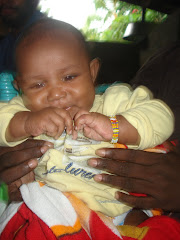
In the pictures, from top: Brothers Ivanildo and Max, Clark and Leo, and Ambrose at our Memorial Day picnic at the end of Chapter.

Friday, May 15, 2009

Pizza Ecumenism


Last night Br. Thomas Anthony and I bought a stack of pizzas and went to have dinner with the brothers of the Society of the Atonement. They have been very friendly and generous to me during my stay in Italy, so I thought a celebration was in order. As we ate and drank, the conversation began to flow, crazy stories about our everyday lives, memories of events that happened in our past: the kind of conversation that happens whenever people are getting together to enjoy each other.

These kinds of gatherings are really important for my work, pleasant as they sound. Because at the heart of the Franciscan life is the effort to help people to learn how to live differently on the planet today. And part of that differentness is to create strong bonds across different divides. Pizza based friendships will very likely open to deeper levels of conversation and shared endeavors. Real friendships will never be satisfied with any kind of complacency about winners and losers in the Gospel life. In "Centro" a newsletter from the Anglican Centre in Rome Mary Reath writes: "Mary Tanner rightly says in the preparatory book for the conference [called Receptive Ecumenism and Ecclesial Learning held in Durham, England, in January 2009] that the personal and the relational is always prior, and that needs to be built up for all people, not just the theologians and leaders." Never was a pizza party so important!

Wednesday midday I was given a tour of some of the behind-the-scenes places in the Sacro Convento, the "friary" at the Basilica of St. Francis in Assisi. After admiring the Papal Apartments and marveling at the ancient books in the library we dashed down a colonnaded walkway to the refectory. My host was modest about it, apologizing for it's "unattractiveness." Staring around the cavernous baroque space I said, "For a guy from Snohomish, Washington, I think it is amazing!!" It is all in one's perspective. And when I was introduced to the brothers, a group of young men at the center table turned and stared and started to whisper to each other. After checking my fly I sat down and started talking to the brothers seated next to me. When lunch was over the young men all crowded around me. They are the postulants for the OFM Conventuals in this part of Italy. "We've heard of Anglican Franciscans," one said in English,"But never met one before!" They peppered me with questions in Italian and after translation I answered in English and hoped the translator got it right. They wanted to know about our rule, and origins, how many of us are there, where do we live. Some wanted to know about Anglicanism and how we came to be. I gave them the abridged version while they looked at me with fascination, making amazed comments to each other. How is it, I thought to myself, they know nothing about Anglicanism? Our "birth" was a pretty significant world event in the 1500's. We took a photo, shook hands. Mary Reath goes on to say: "We should be in each other's churches, explaining who we are, sharing ashes, singing Christmas carols, renewing Baptismal vows, and on and on."

Amen!

Thursday, May 14, 2009

Up From the Grave He Arose!

From time to time a hunch proves correct.

Over the weekend I sent an e-mail to the Communita di Sant' Egidio asking if I could come visit them during my brief day trip to Rome which was scheduled for Tuesday. I didn't hear Monday, and Tuesday, as I was riding a bus to visit the Catacombs of Priscilla I got a call on my cell phone inviting me over that afternoon.

I met with Fr. Roberto Cherubini in the beautiful private garden of their Roman house, located in the heart of the Trastevere. A friend had been very enthusiastic about this community, but I retained only a vague memory of what he told me. It was really delighted by what I learned. They were founded in 1968 by a young man (aged 16 I think) who wanted to live a Gospel life, as a secular lay person, not as a member of a traditional religious order. He and his friends started to read the Bible and pray after school. Inspired by St. Francis they began to look for ways of serving the poor. And then as often happens they were radicalized by this encounter with Jesus and the poor. And their lives haven't been the same since. Over the years other groups of people have contacted them about living a Gospel life of service with the poor, and the Community has become a world-wide family. It is not a religious order. It sounds as if there are very few structures, no Rule per se. Their President must be a lay person, and there are only 6 people in the world who serve the community as paid workers. Roberto works at a University in Rome and works as a parish priest as well. As we talked he kept stressing the centrality of the Gospels to their life and spirituality. He talked about the need for all of us who read the Gospels to be converted by our encounter, and that the Gospel life is for everybody: "we have groups of very old people," he told me. "And youths. Poor people and people who are better off. It is for everybody. We can all do something with and for the poor, we can all read the scriptures and pray together. It is simple." He said this with lovely Italian expressiveness, opening his hands and smiling at me.

I had spent the morning at the Catacombs of Pricillus, wandering around in the dank volcanic tunnels peering at the fragments of frescoes and bits of tiles. The early Christians were down there not escaping persecution, as the popular story goes, but praying at the graves of the martyrs. The catacombs (the guide told me) were not good as hiding places because the Roman authorities knew all about them, as they had to have permission to dig them in the first place, and then the smell would have been overwhelming. Basically, she said they came in and out as quickly as possible. Martyrdom was a very high ideal, and if you could be buried in proximity to a martyr or pray at the tomb of one your prayers were better, or more assure of being answered. At any rate the effort and stamina of praying in such circumstances might have been reward enough. But the radical witness and deep commitment of the early Christians was still palpable. The frescoes were of Baptism, Eucharist, the Resurrection and symbols reminding them of God's forgiveness. It was a perfect preparation for my visit to Sant' Egidio.

In their own way the members of Sant' Egidio are continuing that radical witness of the Early Church. It is good to be reminded that the Gospel life is about prayer, Scripture, service with the poor and being in communion and community with the living and the dead. I felt a bit chastened by my own preoccupations with other things. I want to spend more time with the Scriptures; I want to spend more time with the poor; I must give thanks always for the community I have (and not be hankering after somebody else's!). There is nothing stopping me or any of us from embracing this call to conversion and a deeper walk with Jesus Christ.

As I travel around the Anglican Communion and talk with the brothers who are confronted by the realities of the stresses and challenges facing Anglicans I am reminded that I have no control over what any Bishop says or does, almost no opportunity to make a contribution to the conversation, yet I am responsible for being as open, generous and attentive as I can be. The Gospel life is for everybody, persecutions and troubles will wrack the Church from within and without. But my first job must be to pray, serve without discrimination and be thankful.

Saturday, May 9, 2009

La Dolce Vita


Last week I was in Florence for the weekend. I did a lot of touring the sites,with Richard Quaintance and Peter Casparian balanced with some much needed time for conversation with a dear friend, Barbara Crafton. Barbara is the interim rector at St. James Episcopal Church in Florence, which is why I went to Florence in the first place. She has been a friend for a long time (she preached at my installation as Minister General).

All the brothers of the Province of the Americas have received a form from our Minister asking that we find somebody to talk to about our life in SSF. He gave us some specific questions to wrestle with. Barbara and I sat in the rectory of St. James (built by J. Pierpont Morgan in the 20's). "Would you do it all again?" she asked, reading from the list. Yes, absolutely. Of course I wonder what another path might have led me to in my life, but judging by the sense of joy I feel, I am not really committed to searching out another path.

Perhaps it would be nice to abridge the journey and go from height to height, skipping the messy, painful bits.

I returned to Assisi with the idea of my life journey very much on my mind. I got a chance to think about it even more when I was invited to go along the Franciscan pilgrimage route with Sr. Maureen, CSF, who has been in Assisi on a long planned two week visit. We have taken two incredibly long walks: on Tuesday from Valfabbrica to Assisi (about 14 kilometers, I think) and then a whopping long walk Friday from Spello to Assisi (24 Kilometers). Tuesday evening we joined other pilgrims for a blessing at the Basilica of St. Mary of the Angels inside the tiny original Little Portion. After that we joined the guiding light of the Franciscan pilgrimage route, Angela Maria Seracchioli, in a community meal. She cooks huge dinners every night for the pilgrims staying in the hostel. We were Americans, English, Dutch, French, Italian and Spanish. My life journey has brought me into company with a great diversity of people and presented me with challenges and great blessings.

I highly recommend the walks. Angela has written a book called "Di qui passo Francesco." Neither Maureen nor I read Italian, but we used the maps and made guesses about the information in the text. We didn't really need the book. The scenery was amazing, and we were like two big bumble bees going from flower to flower, exclaiming over the beauty of all the species we saw, stopping to listen to the birds, and in-between telling long rambling stories about our life in community. Tired and footsore when we got home each day, we asked the question: "Want to do it again?" Definitely. It was easy to imagine Francis walking along these paths, looking for somewhere to be alone and pray, or talking with Br. Leo, fretting about what was going on in the brotherhood.

Assisi is in the grip of its annual May Festival called the Festa di Calendimaggio. It is a chance to wear medieval costumes, dance and sing in competition with other groups in town. It is very colorful. People of every age participate. It is an interesting blend of old and new: colorful costumes, trumpets and archery, Ray Bann sunglasses and cell phones, cigarettes and motorcycles. I really like Italy!

Saturday, May 2, 2009

Franciscans International


I spent this past week in Geneva, Switzerland. I had a terrific train and bus trip through the Alps and arrived in the early evening on Monday. I went to Geneva to meet with Franciscans International, the Franciscan NGO at the United Nations (pictured above). I have worked with them in the past through their New York and Bangkok offices. This was my first time to visit the Geneva office.

Everything about my time in Geneva was excellent. I was met at the station by Sr. Denise Boyle, the Executive Director. She took me to my accommodations (a room at the John Knox Center that was a dead ringer for my 70's era fraternity house in college), and then we went to dinner with some of the staff members of Franciscans International. The next two days were full of meetings; the visit culminated in a bowling trip with the staff. They were saying good-by to a colleague/intern, and I got to go along for the fun.

The purpose of my visit was to learn more about how Franciscans International works and to introduce myself to the staff and to develop a closer working relationship between SSF and Franciscans International. Over the two days it became clear to me that we have much to offer each other, and that in fact the brothers and sisters in the Anglican Franciscan family will be a great resource to FI. I was very excited to learn about the Universal Periodic Review documents done in conjunction with the Human Rights Council. Through Franciscans International we can make direct input into these reports. Our daily experience in every country where we live and work could be a rich contribution: caring for the environment, participating in work with people living with HIV AIDS, immigration issues, domestic abuse; the list of things the brothers and sisters care about goes on and on and these are precisely the sorts of testimony FI needs to feed into the system. Specific stories of real people and situations carry tremendous weight. Even if information is not included in the official Human Rights Council Periodic Review, it gets fed into the UN system in other ways.

The other exciting possibility with Franciscans International is their training sessions on human rights and other topics. They train Franciscans to be effective advocates in their countries.

For my part I gave them a thumb nail sketch of our Anglican Franciscan family, and shared some of the realities of life in the Anglican Communion.

Bowling! I'd forgotten how much fun it is! I bowled a couple of strikes even. The electronic monitor/scoring device gave lots of encouragement, flashing: "Way to go dude!"

In Geneva, no less.

Tuesday, April 28, 2009

A Visit to Bose


With a little time to spare after the Chapter of Mats, before the next meeting in Assisi beginning May 16 I decided to explore a bit of Italy and renew some friendships.

Friday I boarded a train in Assisi at 9:30 in the morning. At 5:00 p.m. I arrived in the north of Italy at Biella, where Br. Guido was waiting to take me to Monasterio di Bose.

Br. Guido had been an observer at Lambeth Conference in July and we gravitated to each other sharing stories about our communities.

Bose is an extraordinary place! Nestled in a spectacular Alpine valley, it is a community for both men and women. It is an ecumenical community, founded at the close of Vatican II. In 44 years it has grown to over 70 members, living under the vows of poverty, chastity and obedience. They are completely self supporting and have fantastic ministries: writing icons, translating and publishing books, making jams and jellies, raising honey bees, and extensive vegetable gardens, building furniture welcoming pilgrims of every kind. They have close ties with Orthodox religious communities, Anglicans as well as Taize and Roman Catholic Communities.


It is odd for a verbal person like me to not understand a syllable of what is happening around me. I indulged in a bit of trial and error. Like a person who has lost a crucial sense, I had to rely on my other senses to communicate. Smiles and gestures became very important. Since I couldn't read the instructions, breakfast the first morning was an adventure with an Italian coffee machine with steam and jets of liquid shooting out oddly placed nozzles. My first attempt to get a cup of coffee ended in a mess on me and the floor (the bowls were to drink out of, not for cereal, which wasn't served anyhow). Except for breakfast I ate with Guido and English speaking brothers. In my enthusiasm to talk I flailed my hands around, sending lettuce and bread crumbs flying. They were very patient.

I joined them for prayer and sat in on a lecture about St. Francis. But everything was in Italian and even an ardent admirer like me can only fake it so long. I used much of the time for private prayer and the opportunity for reflection on the events of the past couple of months.

Certainly being itinerant is a challenging way to live. I found myself counting up airports, beds and different kinds of food. All of these things are just externals, but they are tangible ways of thinking about where I have been. When I can remember specific details I find myself catching hold of other memories and ideas. Not understanding language is a common theme: much of the conversation around me in Zimbabwe was in Shona. Yet rarely have I felt isolated. "Shalom" has become very important to me, the sense of well being, wholeness, peace, right relationships. Several people have greeted me in my travels this spring saying "Shalom" and in Italy they then kiss me on both cheeks. (People should kiss more!) My need for prayer has sharpened. When I feel momentarily lonely or our of sorts I find a place to pray, or just begin to say the little prayers that help stitch my psyche back to the basics of acceptance, gratitude and joy. People are so beautiful. I have been deeply impressed by the generosity, the vulnerability of us human beings: we want to help and give so much but at the same time capable of monumental resentments. I found myself going over old hurts, vendettas and fantasies only to be shocked by my thoughts and forced into that place of prayer. The beauty of the present moment.

I never saw much of the mountains that surround Bose. Clouds and rain obscured them. The brothers were apologetic, but I was glad. Sometimes we perceive best when we are forced to rely on other senses, rely on God to provide the beauty and brightness.

Tuesday, April 21, 2009

800 Years of Franciscan Movement

I arrived in Assisi on Tuesday of Easter Week, having flown over night from Harare, via Zurich and Rome. I came in order to represent the Society of St. Francis at the Chapter of Mats held to honor the Pope's approval of St. Francis' Gospel way of life in 1209.


1800 brothers from all over the world came to Assisi at the invitation of the Ministers General of the Order of Friars Minor, the OFM Cappuchins, the Conventuals and the Third Order Regular. There were seven of us Ministers General there, and when I was introduced as the Minister General "Anglicani" I got a huge round of applause.

I stayed with the Society of the Atonement friars in Assisi. During my travels I had not read all my e-mails carefully and thus missed the important detail of where all this was taking place...I had a fuzzy idea of "Rome and Assisi". So I 'd not made any plans for a place to stay, praying the Lord would provide. I was richly provided for, and got to spend a terrific time getting to know the Atonement brothers and their extremely generous and friendly Minister General, Jim Puglisi, SA. Their novitiate is as international as SSF's, but they live together in Assisi: young men from Congo, Philippines and India.

I had a lovely time and enjoyed being a bit of an objet fascinans among the Roman Catholics. The English translation was difficult, the young friars in the booth would breathe heavily into the microphone and then say, "um...he is using a lot of Italian words...it is difficult...um. (more heavy breathing)" But the majority found the talks very edifying. Occasionally our English translators would have a burst of lucidity, and we heard terrific stories of Franciscan work around the world, and a call to go out into the world.

Although I anticipated it, I felt sad at the historic divisions between Anglicans and Roman Catholics, and our lack of communion. So I fasted from the Eucharist during Easter Week. But it forced me to practice what I call Spiritual Communion: remembering it is about THANKSGIVING. I had so much to be grateful for; the time of communion was rich with memories and prayers. Plus it was so fabulous to be in the Basilica of St. Mary of the Angels, imagining Francis there, the brothers gathering there, and finally Francis' death practically on the spot I was sitting on.

Although there was no full communion I was always invited to sit with the other Minister Generals during the programs. At Morning Prayer at the Basilica of St. Clare I was hauled from my spot in the back of the transept to sit next to the Bishop of Assisi ("Salve" he said as he shook my hand). The other time of greatest connection was during the penitential procession from St. Mary of the Angels to the Basilica of St. Francis. The seven Generals carried the cross and the 1800+ friars practically pushed us along, singing chants. Here I am with Br. Jose Carballo the Minister General of the OFM.

The Chapter of Mats is so named because the only other one was held by St. Francis and there was insufficient accommodation so the brothers had to live in shelters made of mats. The first Chapter of Mats and this, the second, concluded with a meeting with the Pope. We traveled by bus to Castel Gandolfo. Once there we had mass before going to the Papal Audience. At the Mass we were introduced to a special guest, the warden of the Ecclesiastical Penitentiary, and I wondered which poor theologians are languishing there. I later learned it is an old title but does not involve jails per se...it is not a Gospel ministry I aspire to.

The Audience was like a football rally. The friars were roaring "Benedetto!" and singing "Alleluia!" We were clinging to the walls. Many were eager to wave their national flags, but this was VERY unpopular with the people standing behind the different delegations. Finally Pope Benedict came in waving his hands, and the brothers roared and stamped and whistled. An American friar later asked me what I thought of it all, and I said I had made up my mind before it happened that it was a privilege to be there, he was THEIR leader, not mine. And he only made encouraging remarks, which I appreciated. Being an ecumenical guest means being non critical at the hosts' party. But if he ever wants to talk about the validity of Anglican Orders I'd be happy to talk.


"Brothers, my brothers, the Lord has called me to walk the road of simplicity and has shown me the way. I do not want therefore that you mention other Rules to me [...]. The Lord has revealed to me his will that I should be a step in the world: this is the science to which he wishes us to dedicate ourselves." (St. Francis to the five thousand friars participating in the Chapter of Mats in 1219)